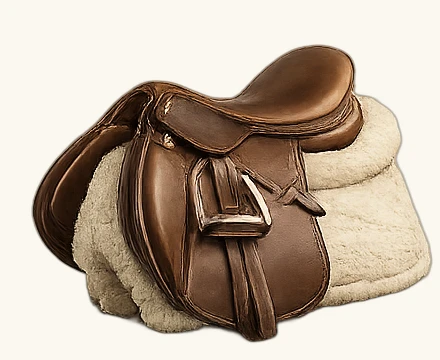
 Saddles
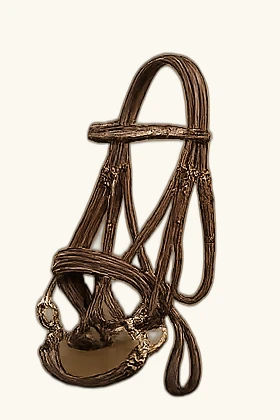 Bridles
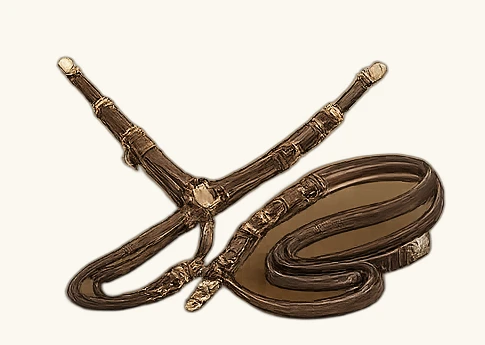 Harness & Tack
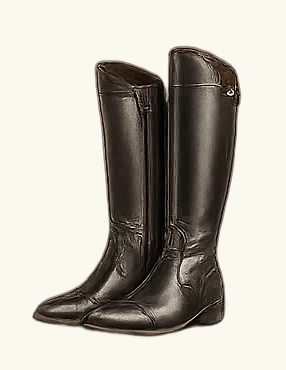 Riding Boots
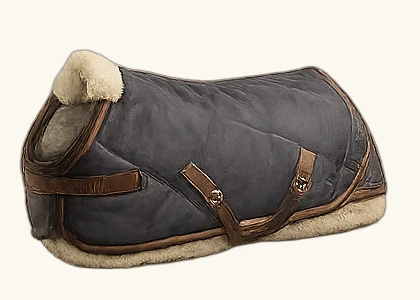 Horse Rugs
 Leather Accessories
 Dog Collars & Leads
 Cleaning & Care
8. Service Details
Everything included in your service
Explore
Saddle Pads
Horse Rugs

Learn more about this repair
The pad or numnah sitting under the saddle for cushioning and sweat absorption. The billet and girth loops take real load transferring the saddle's own movement and are the first thing to fail, followed by the edge binding, which frays with repeated washing before the pad's main body does.
Stitching & Billet Repair
From £45 depending on item and complexity
Restore and fix worn or damaged leatherwork.
- Assess the tack
- Re-stitch seams & billets
- Replace worn straps & keepers
- Reinforce stress points
- Quality check
- Vegetable-tanned leather
- Waxed linen thread
- Buckles & fittings
- Rivets
- Perished stitching
- Cracked billets
- Worn straps
- Loose buckles
- Vegetable-tanned leather
- Waxed linen thread
- Buckles & fittings
- Rivets
- Perished stitching
- Cracked billets
- Worn straps
- Loose buckles
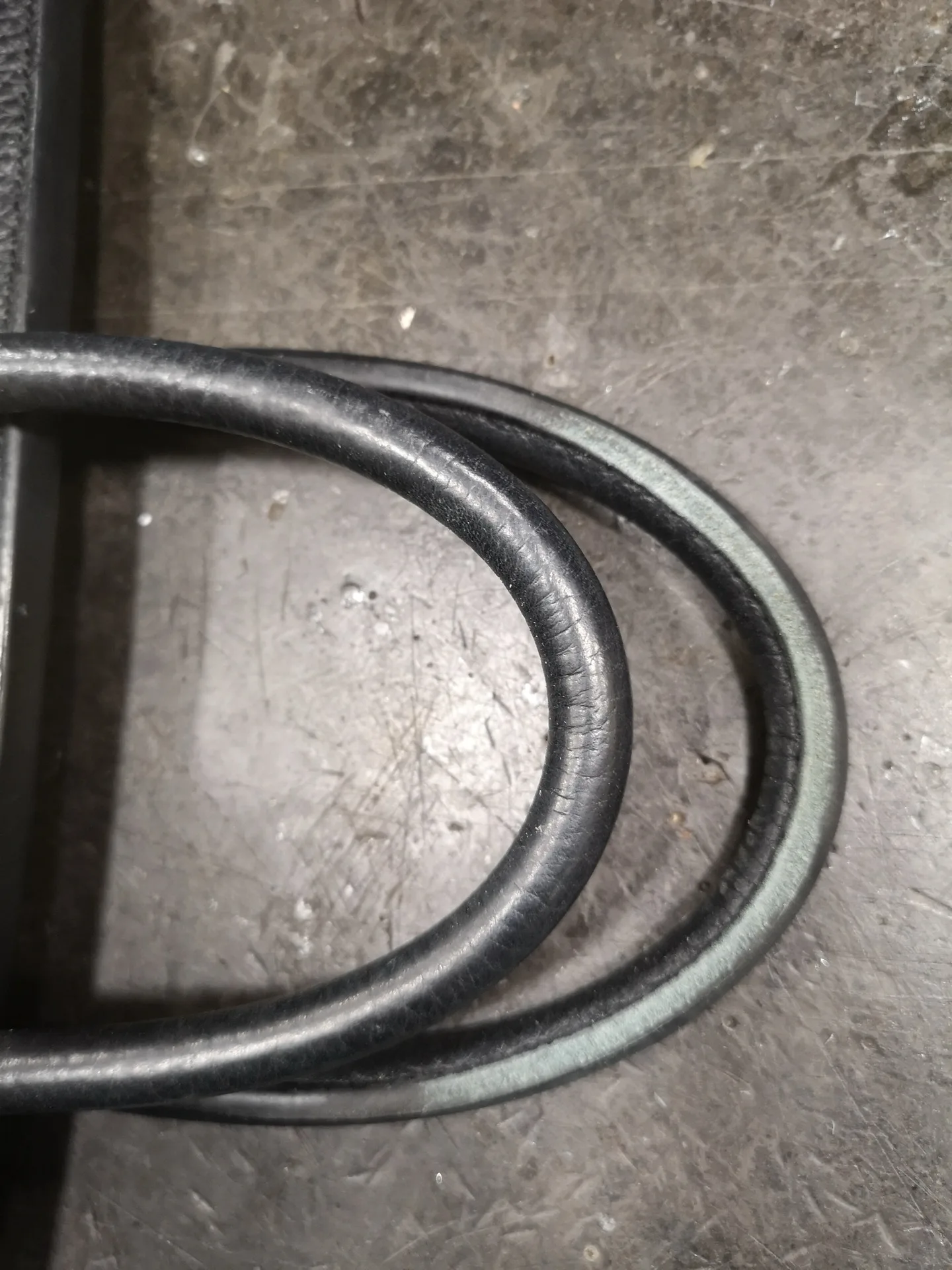
Real before/after pairs for this exact model are on their way - for now, here's recent work from the studio on similar pieces.
Between professional repairs, a few habits keep horse rugs in good condition:
- Wipe down and soap saddles and bridles with a proper glycerine saddle soap every few rides - work it into the grain with a barely damp sponge, not a soaking one, and keep it out of the stitching holes, where trapped moisture just breeds mould rather than feeding the leather.
- Before every ride, run a finger along the stitching on billets, stirrup leathers and reins. This is a safety check as much as a maintenance one - any give, fraying or missing stitches there needs sorting before you get on, not after.
- Don't store tack in a damp, unventilated tack room. Damp air is what lets mould take hold on leather, and mould doesn't just sit on the surface - it feeds on the fats in the hide and leaves the leather weaker underneath, even once it's cleaned off.
- Condition tack that's in regular use lightly and often, since daily flexing against the horse needs the leather kept supple. Leather that's mostly on display, in storage, or used only occasionally needs the opposite treatment: a deeper feed less frequently, since it isn't being worked the same way and over-oiling it will just leave it soft and unsupportive.
- Check billets and stirrup leathers specifically at the holes, where cracking, stretching or thinning shows up first. This is the single most common safety-critical failure point in saddlery - replace before it fails, not after a leather has already started to give.
- Rinse mud off rugs before it dries in and grinds into the fabric, reproof seams before the wet season rather than after the first leak, and always store rugs completely dry - folding a damp rug away is one of the fastest ways to start mould and a smell that's hard to shift.
Can you re-flock or re-stuff a saddle?
Yes. We remove and rebalance the wool flocking in the panels to correct a saddle that's sitting unevenly, has gone flat with use, or no longer suits your horse's shape, and we can also adjust the foam or wool in a treeless saddle's panel. If your horse's shape has changed noticeably, we'd recommend having a qualified saddle fitter check the balance once the flocking work is done, since fit and flocking go hand in hand.
Do you check stitching for safety, not just repair what I've asked for?
Yes. Anything that comes in with a girth, billets, stirrup leathers or reins attached gets those load-bearing points checked as standard, because a stitching failure there is a fall risk, not just an inconvenience. We'll flag anything else we find before we start work rather than after.
Can you re-cover a saddle seat?
Yes, we can strip back and re-cover a worn or torn seat, matching the grain and colour to the rest of the saddle as closely as possible. It's a bigger job than a simple repair since the seat leather has to be refitted around the tree and panels, but it brings an otherwise sound saddle back into full use rather than retiring it.
Can you resize a bridle or add missing holes?
Yes. We can punch new holes, extend or shorten billets and cheekpieces, or make a bespoke replacement strap if the original has stretched beyond what re-punching can safely fix. This is common on bridles that have been passed between horses with different head sizes.
Do you reproof or re-tape horse rug seams?
Yes. We reproof waterproofing on turnout rugs and rain sheets and re-tape seams that have lost their bond, which is usually what lets water through long before the outer fabric itself has actually worn out.
Does saddlery need to come in person, or can I post it?
Most saddlery repairs travel well by post - girths, bridles, boots, rugs and accessories all reach us this way from across the UK via Royal Mail. For a full saddle re-flock or anything fit-related we may ask a few extra questions or photos first, since balance is easier to judge with more information, but a face-to-face visit isn't required.